Winter at TIV, honestly
Tivat Airport is a summer airport. Between May and early October its single runway handles a dense schedule of European charters and low-cost carriers, the gates in arrivals are frequently stacked two- or three-deep, the rental meet-and-greet zone is hectic, and the short taxi to stand can feel like Heathrow in miniature. Between November and March the entire operation slows. Many of the summer routes stop. The terminal is calm, and everything about collection is calmer with it.
The specifics of the winter schedule change every year, so we won't quote routes. Airlines publish their new winter timetables late each summer; check the airline site, not third-party listings, before booking. What we will say generally: year-round service to at least one or two major hubs usually continues; the low-cost charter operators scale back heavily; and some UK regional flights disappear entirely until spring.
Weather and the approach
The bay runs north-west to south-east between mountain ridges. In winter this produces:
- Rainy periods. Montenegro's coast is genuinely wet in winter, significantly wetter than the summer dry season. Crosswind landings are more common.
- The bora wind. A cold north-easterly that funnels down off the mountains, usually in short episodic bursts. Strong bora can push crosswinds beyond what airlines choose to operate in at TIV.
- Low cloud. In winter, cloud sometimes sits low over the bay, and visibility for approach drops. This is the main cause of the occasional diversion.
Diversions typically route to Podgorica Airport (about 80 km by road from Tivat) or Dubrovnik (across the Croatian border, about 70 km but with a border crossing). If you're a nervous flyer, build mental budget for a possible diversion when booking a winter flight, not likely, but more likely than in August.
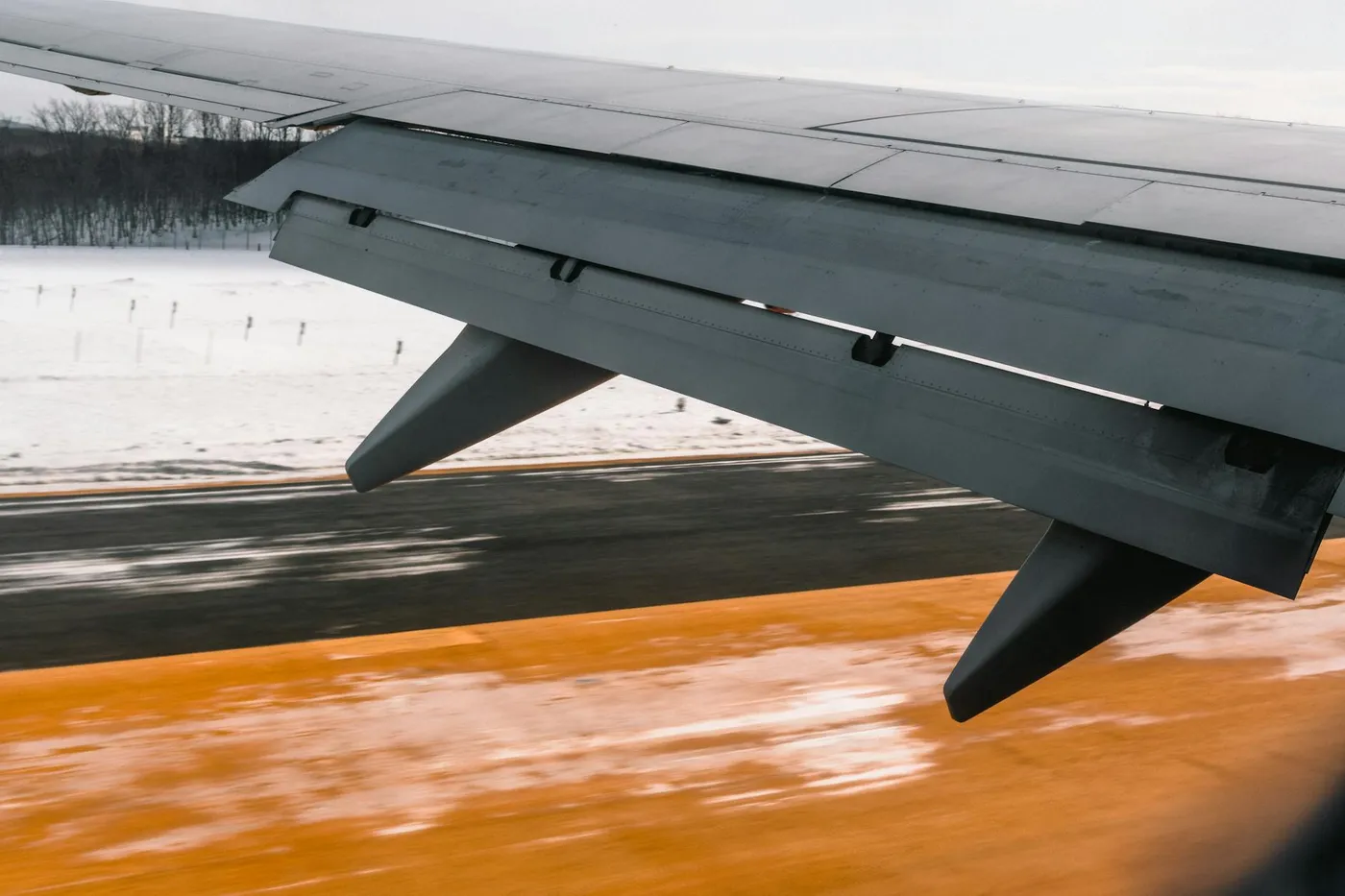
The terminal in winter
The building itself doesn't change. Heating works, passport booths are staffed, the baggage hall runs, it just does all of this for a fraction of the passenger volume. Arrivals that felt like a battle in July are a brisk walk in February. Passport control is usually a one- or two-booth job with a short queue. If your flight is the only arrival in that hour, you can be in the car in fifteen minutes from wheels-down.
Food and retail in the terminal thin out in winter. The airside café may be on reduced hours; landside options shrink to a small café and basic newsagent. Plan for a real meal after you land, not at the airport, the Tivat waterfront has year-round options a few minutes away.
Driving away from the airport in winter
This is the bit that tempts people to skip the car in the off-season, and the bit where, actually, the car becomes more useful, not less. Public transport on the coast in winter is thinner. Taxis are available but the meet-and-greet rhythm gets slower. With a rental, you step out of arrivals and you're in Kotor an hour later regardless of what the local bus schedule is doing.
Winter-specific driving notes:
- Headlights: Montenegro requires dipped headlights at all times outside urban areas. Not seasonal, but it catches visitors out.
- Snow tyres: Legally required on Montenegrin roads 15 November – 31 March. Check the listing's winter equipment before booking rather than assuming. The rule bites most if you plan to drive inland to the mountains, less of a factor for coastal driving, but don't skip the check.
- Mountain passes: If you're heading inland from the coast (Cetinje, Lovćen, Žabljak), check weather before you go. These roads can close in snow.
- Coast road: The Jadranska magistrala along the coast is almost always open and drivable, wet but usable. See the Tivat to Budva route and the Perast bay road for the main options.
- Daylight: Short winter days shrink your driving window. Plan sightseeing earlier.
What winter is actually good for
Empty old towns. Kotor without cruise crowds. Perast pretty much to yourself. Konobas open for locals rather than tourists. Bracing walks along an empty promenade. The bay in stormy cloud is spectacular. If you're after beach weather, this is not your season, but for anything that involves stone, history or driving, it's arguably better than summer.
Practical tips
- Book the rental early: availability for your dates is live at checkout, and the listing shows each car's winter equipment, including whether it carries the Winter Pack.
- Insurance: the four cover levels work the same in winter as in summer, and glass and wheel cover sits only on the two Full tiers, which earns its keep on wet roads.
- Warm layers: Terminal-to-car involves walking across apron. A proper coat matters in December–February even when the forecast says "mild".
- Check for delays proactively: In bad weather, refresh the airport departures page at your origin before you leave for the airport.
- If you land, the car is still yours: Our arrivals walkthrough applies year-round, just shorter queues in winter.
The winter rental picture
The pool changes character with the season in one specific way: the Winter Pack, offered on 337 cars, is the extra that matters, and the listing shows whether the car you are looking at carries it. Beyond that the mechanics are unchanged, four cover levels at checkout, the deposit method stated per car, and free cancellation on the cars marked with it, refunded in full more than 24 hours before pickup, which suits winter's shakier flight schedules particularly well. On other cars a 6% payment-service fee applies, and a late cancellation can lose the advance payment, so check each car's terms before you book.
Where winter actually bites is altitude, not the coast. The bay roads stay low and usually wet rather than white, while the climbs inland are a different regime entirely; if the plan reaches the mountains, read the car's listing and the winter equipment rules before committing to the drive rather than at the foot of the pass. The reward for braving the thin schedule is the bay at its emptiest: the same drives that queue in August run clear in January, and the stone towns give a driver their best versions of themselves.
January and February are also when the bay feels most local, Kotor's winter carnival included, and a warm car beats an umbrella for seeing any of it.